
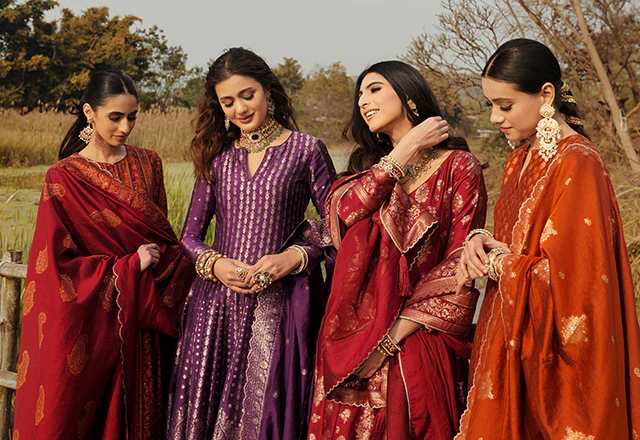
There is a visible difference between wearing a beautiful outfit and carrying it well. The outfit may be identical, but the outcome rarely is. This difference often comes down to a series of small, considered choices. Picking the right kind does not announce itself, but it subtly shapes the overall look and feel.
Over time, fashion bloggers worldwide have honed their ability to capture such details. Their strength does not lie in access alone, but in how they interpret what they wear. There’s personal panache in the way they balance, edit, and customise ethnic outfits to fit their silhouettes and define upcoming trends.
These are not rules. They are patterns. Subtle decisions that consistently make ethnic wear feel more intentional, more current, and more like the person wearing it.
They Build Around One Clear Focus
Every strong look begins with a point of focus. It could be the sari, the blouse, the jewellery, or even the drapes. What matters is clarity.
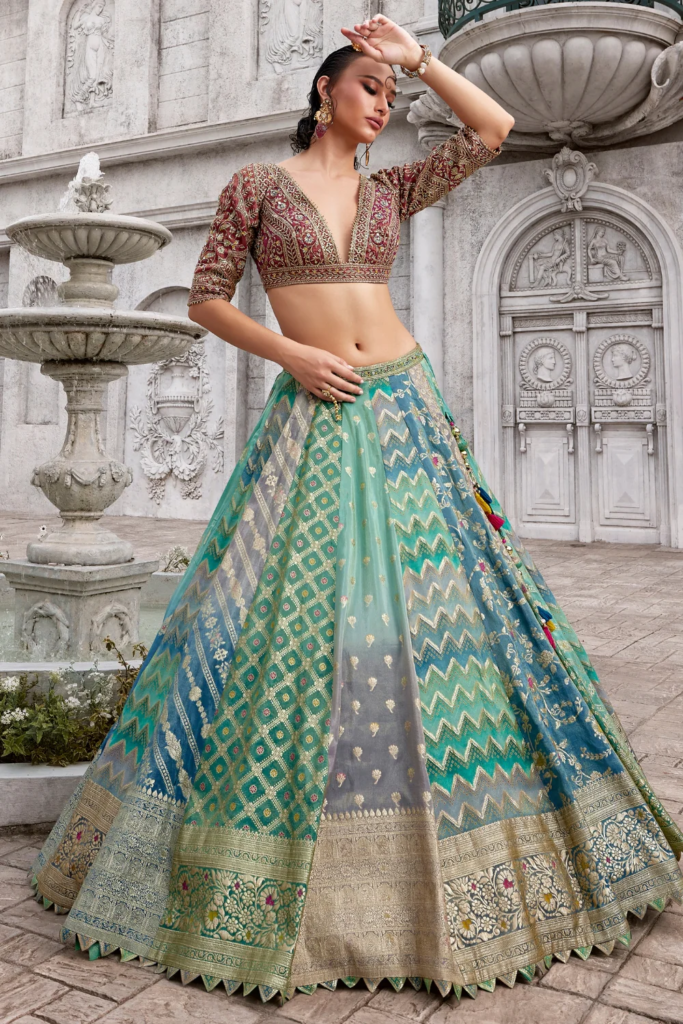
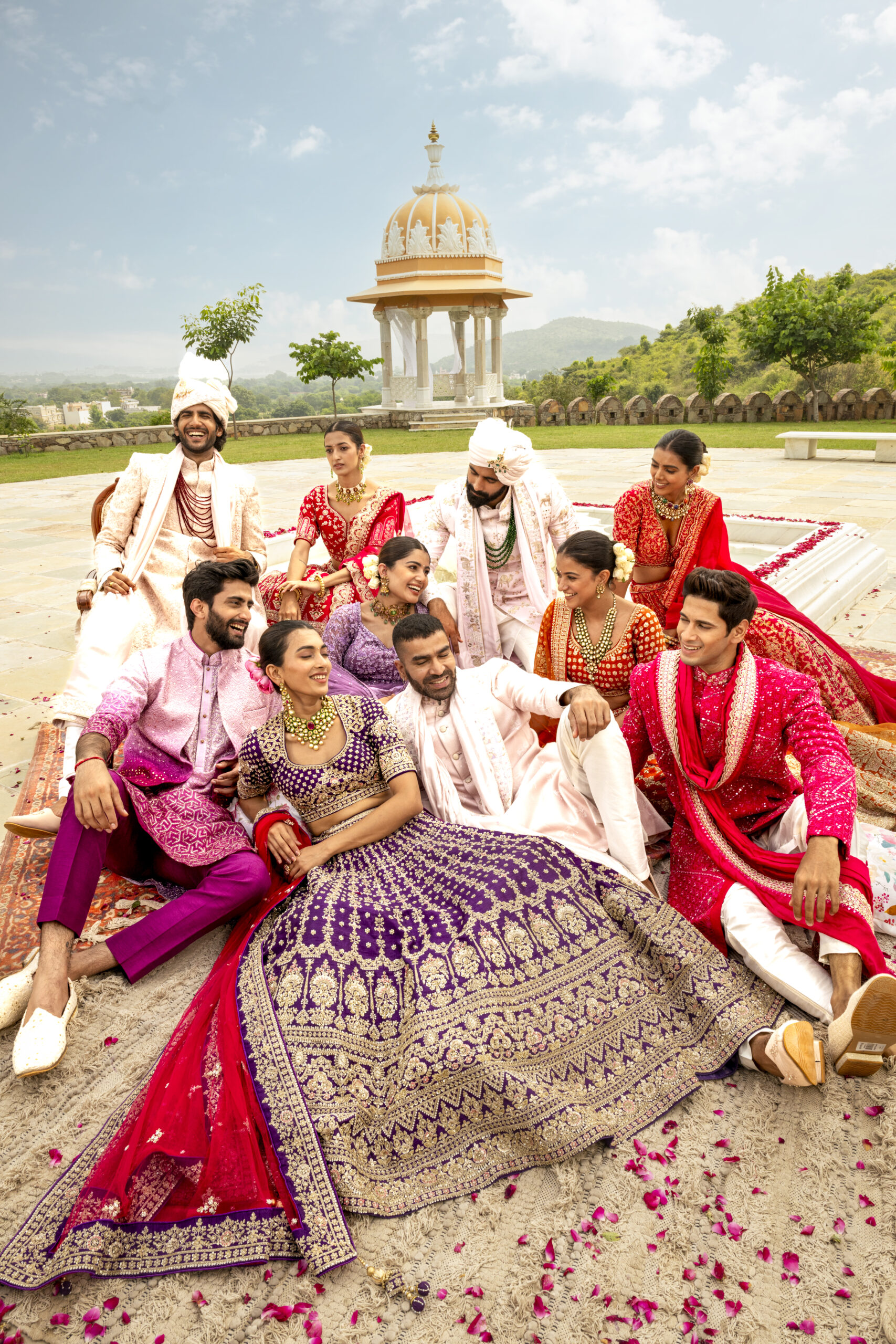
When everything tries to stand out at once, the look loses direction. Bloggers avoid this confusion by letting one element lead and allowing the rest to support it. A heavily embroidered Lehengas for women is often paired with a quieter blouse. A statement blouse is balanced with a simpler saree.
This sense of hierarchy gives the outfit structure. It directs the viewer’s gaze.
2. They Decipher Proportions Before Trend
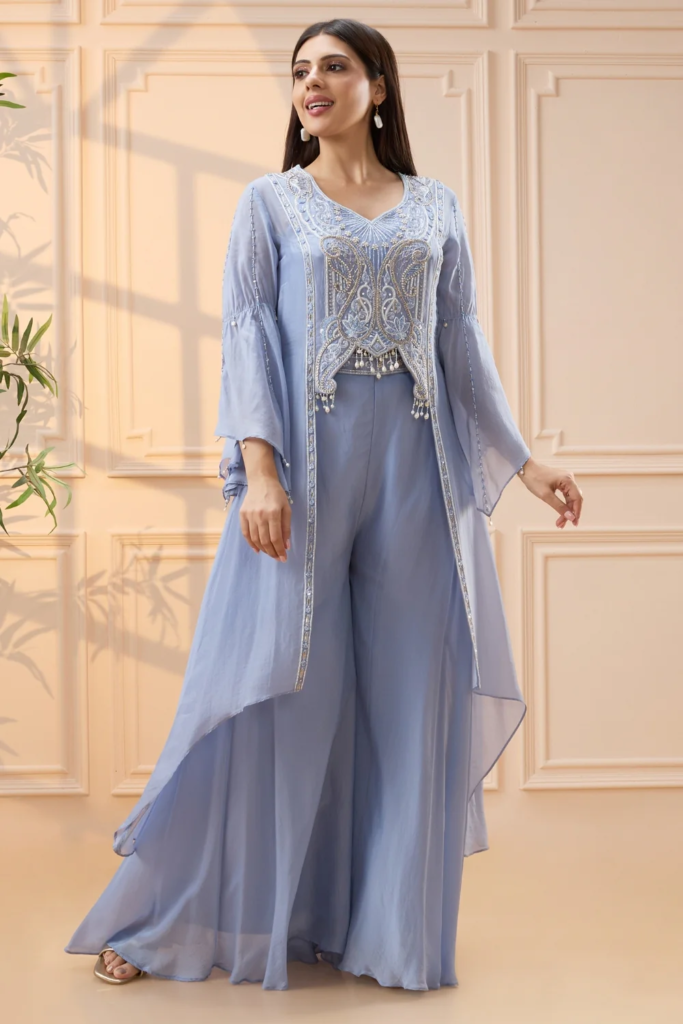
The trends are fleeting and change in a blink of an eye, but the proportion remains constant. The length of a blouse, the volume of a skirt, and the way a dupatta flows and looks in a reel, such detailed choices affect how the outfit sits on the body.
A cropped blouse with a high-waisted lehenga can elongate the frame. A longer blouse with a saree can create a more composed silhouette. Even the width of pants paired with a kurta can shift the entire feel of the look.
A fashion blogger’s secret to assembling ethnic outfits often starts with a deep understanding of what works, rather than simply following trends.
3. They Treat Accessories as Extensions, Not Additions
Accessories are rarely an afterthought. They are considered from the beginning.
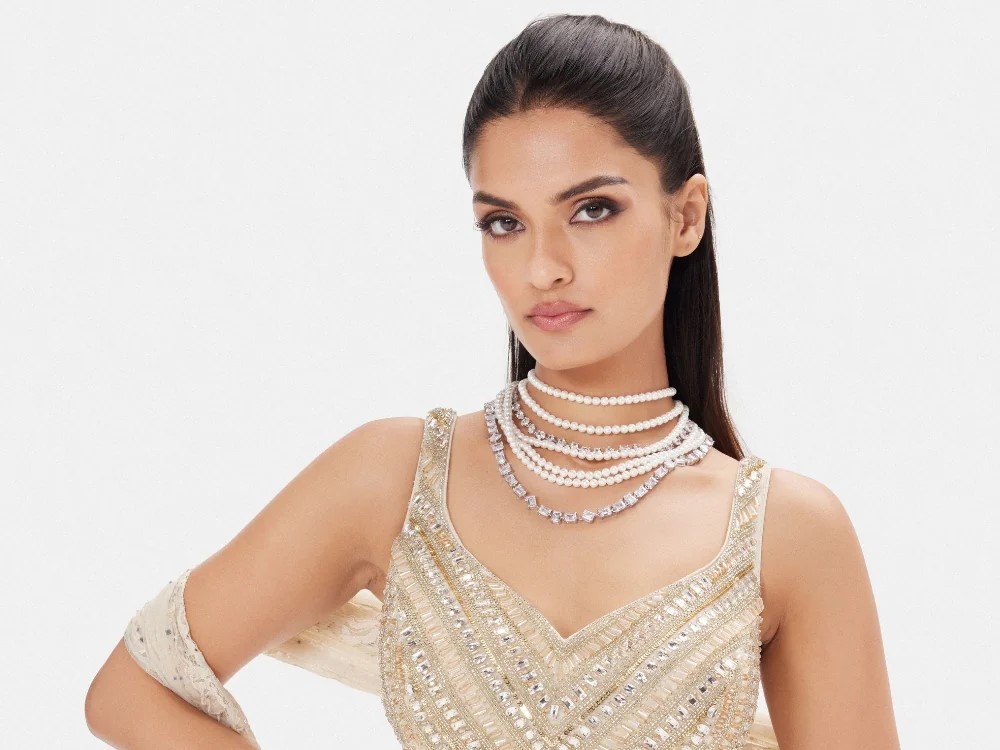
When thinking about how to accessorise sarees and lehengas, bloggers usually follow a simple approach. If the outfit carries detail, the accessories recede. If the outfit is minimal, the accessories step forward.
It is also about consistency. Mixing too many styles of jewellery can interrupt the visual flow. A pair of antique earrings works best when the rest of the elements align with that mood. The same goes for contemporary pieces.
The goal is not to add more, but to add with intention.
4. They Pay Attention to Fabric Movement
How an outfit moves is just as important as how it looks when still. Lightweight fabrics create a different presence compared to structured ones.
A fluid saree draped softly feels relaxed and effortless. A stiffer silk saree embraces the silhouette’s shape and creates a more ritualistic impression. Similarly, a lehenga with volume behaves differently from one that falls close to the body.
Bloggers often choose fabrics based on the setting. Not just the occasion, but the environment. Indoor lighting, outdoor movement, and even the time of day can influence this decision. This awareness adds depth to the styling.
5. They Keep Hair and Makeup in Conversation With the Outfit
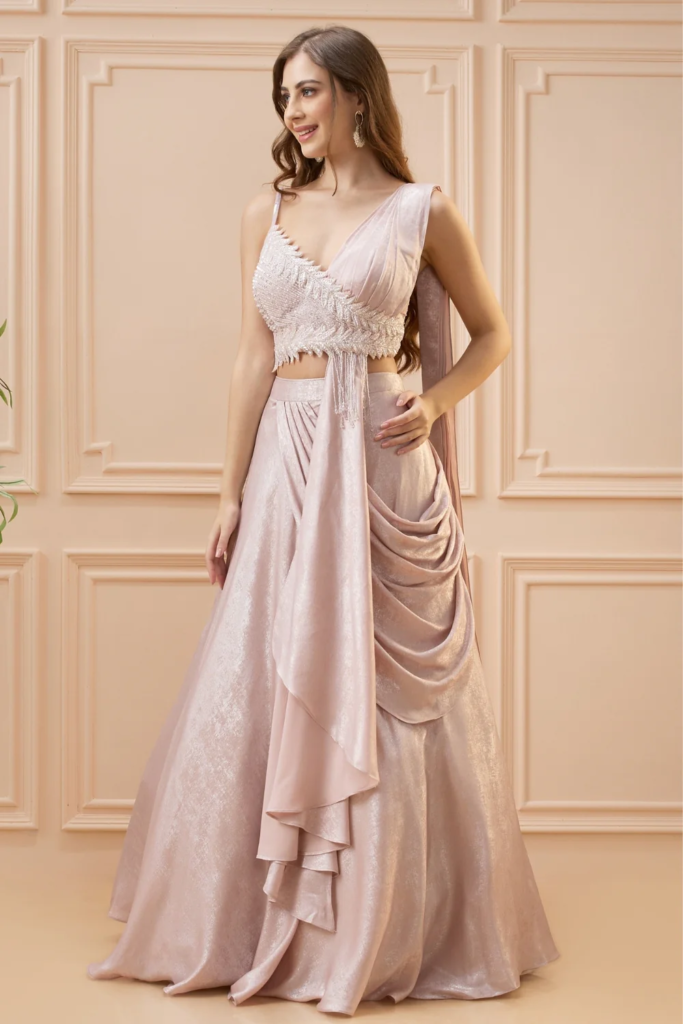
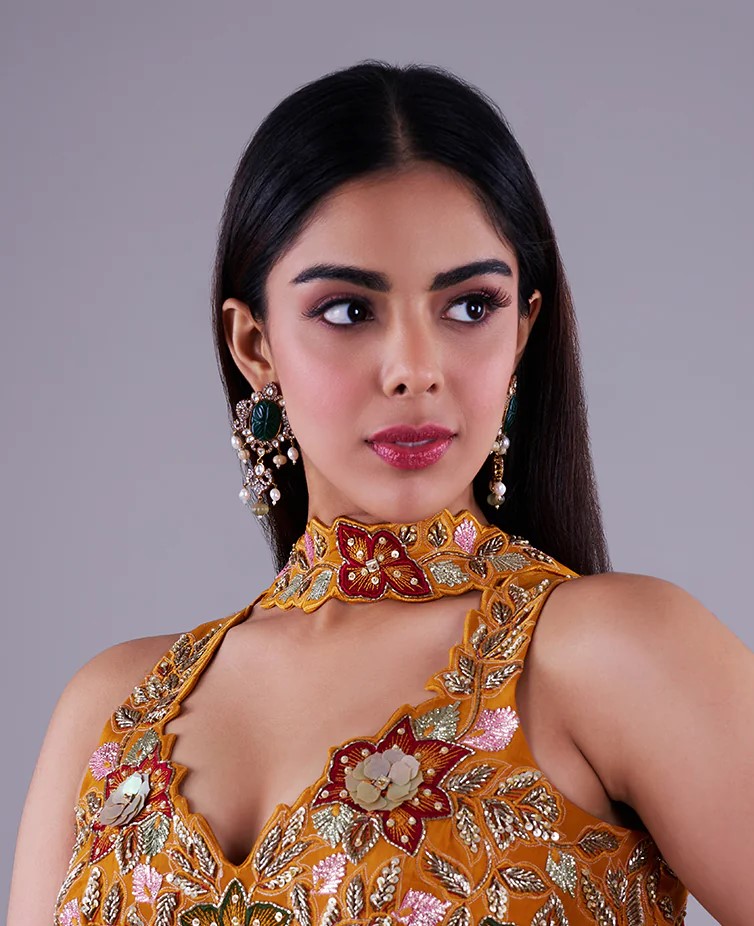
Hair and makeup are not separate decisions. They are part of the same visual language that completes that look. An elevated eye makeup has the ability to add whimsy to your ensemble. The real comfort lies in how your hair is done.
7. They Edit Relentlessly
Perhaps the most understated secret is knowing when to stop.
It is easy to keep adding. Another layer, another accessory, another detail. But strong styling often comes with restraint. It’s important to exercise restraint to avoid overpowering the look with excessive heaviness. A well-styled detailed outfit paired with equally heavy makeup can feel excessive. On the other hand, taking the “too minimal” route with understated jewellery and makeup can make the look feel incomplete. Balance lies in blending makeup and jewellery in such a way that the look feels complete and eternal.
On the other hand, a minimal outfit with completely understated makeup may feel unfinished. The balance lies in letting one lead and the other complement.
Soft waves with a structured saree can create contrast. Sleek hair with a heavily embellished Traditional wear for women like lehenga can bring control. The idea is to avoid competition between elements.
Everything should feel like it belongs together.
6. They Rethink Traditional Pairings
One of the most consistent ethnic styling hacks for women is the ability to look at familiar pieces differently.
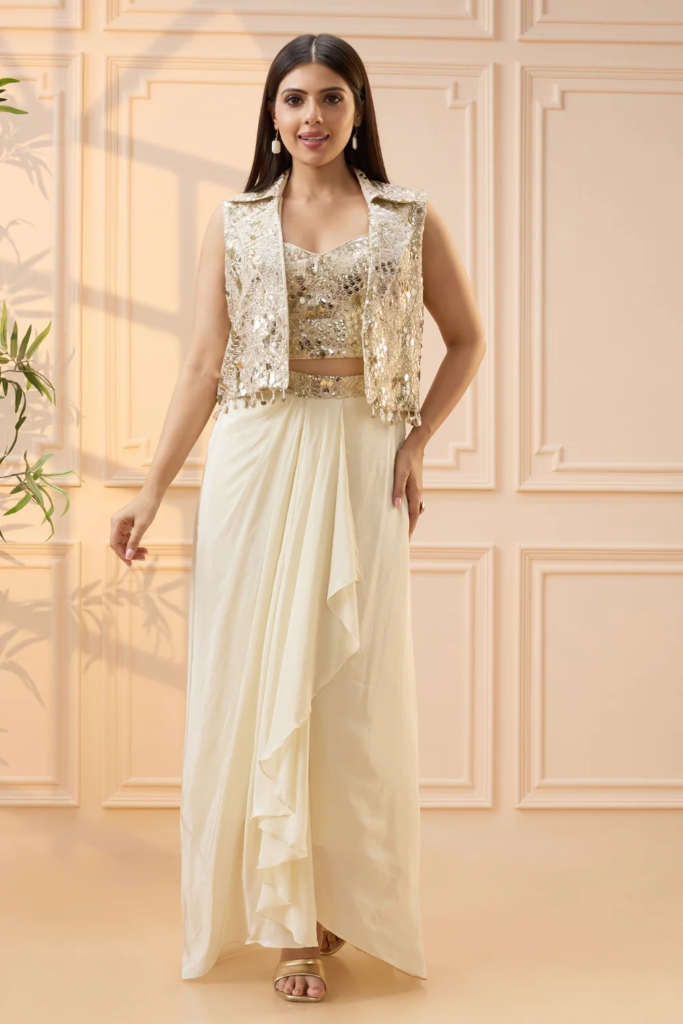
A dupatta worn like a scarf instead of a traditional drape. A belt added to a saree defines the waist.
A belt added to a saree to define the waist. A kurta styled with trousers instead of a matching set. These are not drastic changes, but they shift the perception of the outfit.
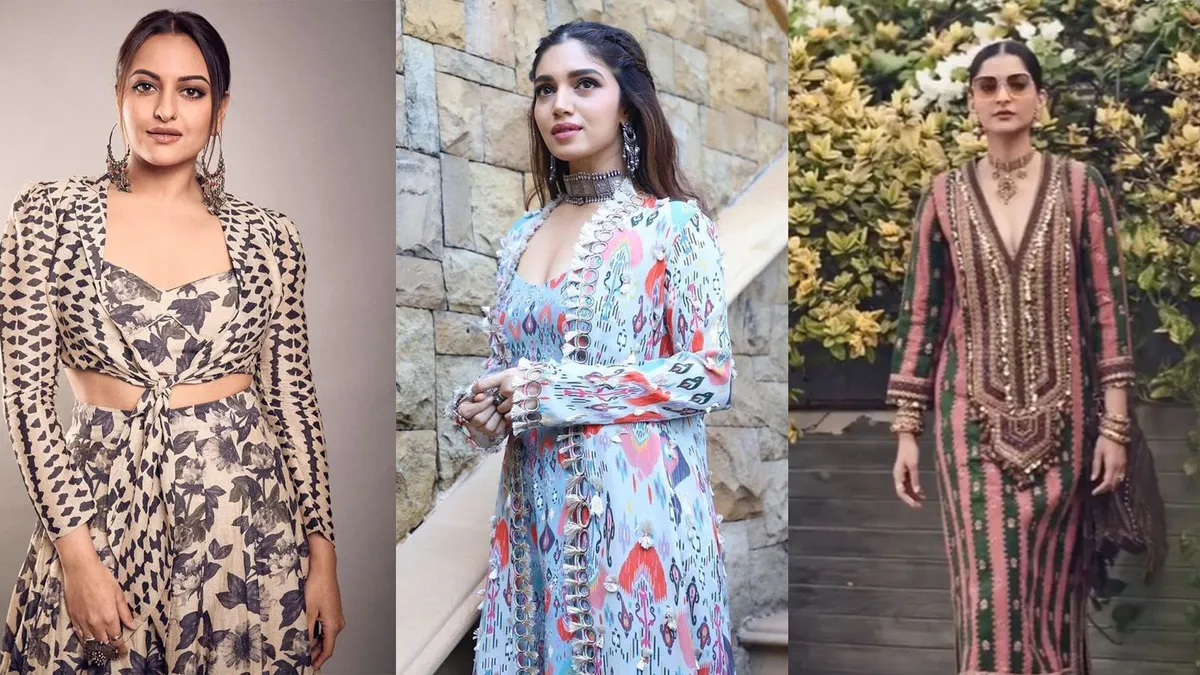
Fashion bloggers often rely on these small reinterpretations to keep ethnic wear feeling current. Without losing its essence.
led outfit rarely feels crowded. It feels considered.
The Takeaway
Ethnic wear carries a natural richness. It does not need excess to feel complete. What it benefits from is clarity.
These saree and lehenga styling guide principles are not about changing your wardrobe. They are about refining how you use it. Looking at what you already have with a more attentive eye.
Because in the end, styling is not about following a formula. It is about capturing the essnece of what feels true to your personality, and creating a whimsical, memorable look based on that very feeling.

No Comments